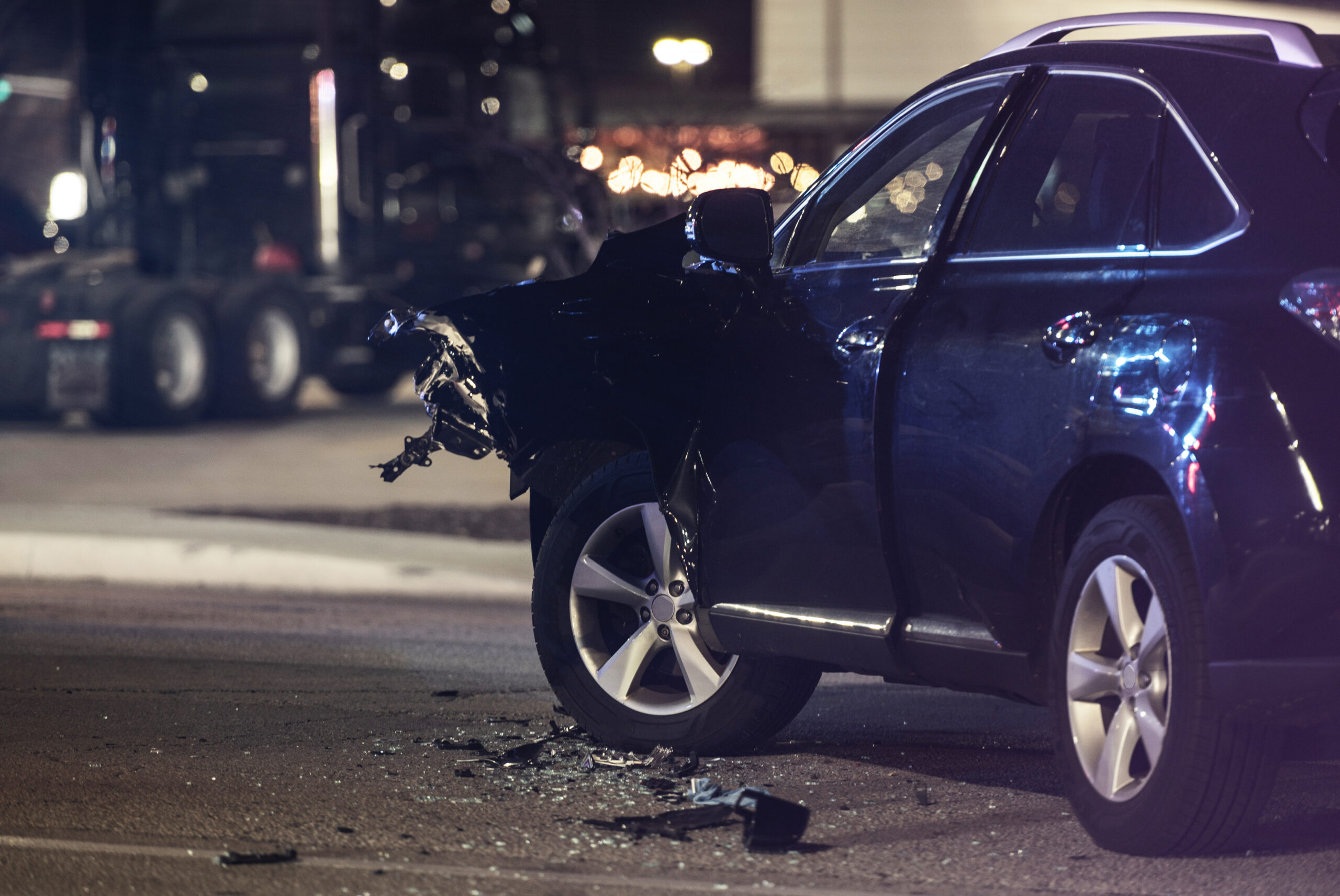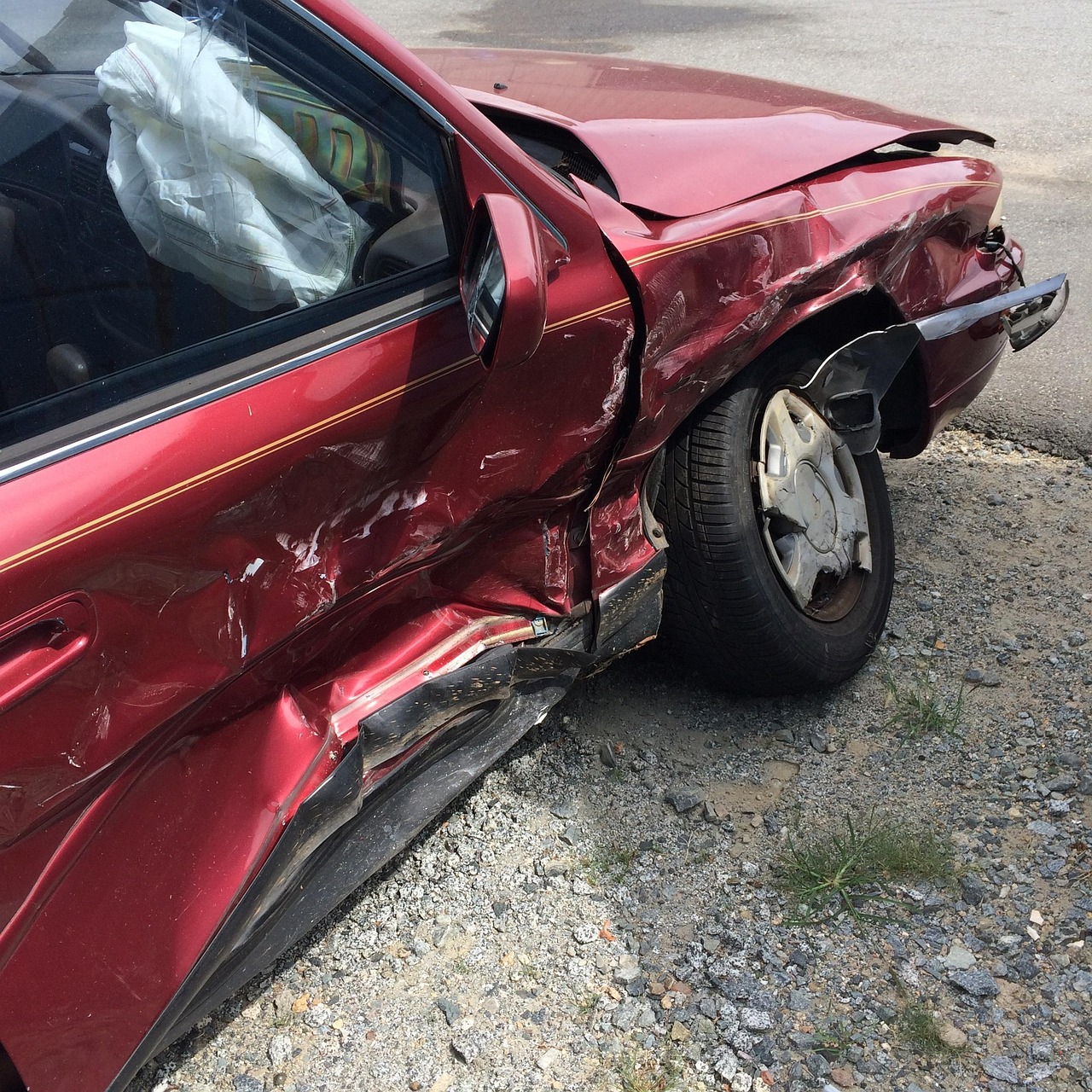
Car crashes and motorcycle wrecks happen every day across Florida, from I-95 and SR-528 to neighborhood roads and busy intersections. In a matter of seconds, a careless driver can leave you facing serious injuries, lost income, and months, even years of medical treatment.
If you’ve been hurt in a motor vehicle collision, you deserve answers, real guidance, and a lawyer who will take the time to understand what you are going through.
At Moia Law, we represent Floridians injured in motor vehicle and motorcycle accident cases.
Why Florida Accident Cases Are Different
Florida’s accident laws can be confusing, especially because the rules differ between car accidents and motorcycle accidents.
Florida is a “no fault” state, which simply means that no matter whose fault the accident is, your auto insurance carrier will pay for your initial medical bills. This is called your Personal Injury Protection, or PIP coverage. Under most policies in Florida, your PIP coverage will pay up to $10,000.00 of your initial medical bills.
For example, if you go to the hospital or an urgent care after being involved in an accident, your PIP coverage will help pay for those bills. It is important to note that PIP pays 80% of a bill. You or your health insurance company will be responsible for the 20% balance. That is where we step in to help you. You have a right to be compensated for any medical bills or balances you may owe following an accident.
Motorcycle crashes are usually not governed by PIP in the same way.
Many riders do not have PIP coverage available the way drivers do in standard passenger vehicle cases. Motorcycle injuries also tend to be more severe. As a result, motorcycle claims often focus more directly on the at-fault driver’s liability and available insurance coverage.
Bottom line: the path to compensation can look very different depending on whether you were in a car, truck, SUV, or on a motorcycle.
Common Causes of Motor Vehicle and Motorcycle Accidents
Most crashes are preventable and they typically happen because someone failed to drive safely. Some of the most common causes of accident cases we see include:
- Distracted driving (texting, apps, eating, GPS use)
- Failure to yield (especially at left turns and intersections)
- Speeding and aggressive driving
- Unsafe lane changes
- Impaired driving (alcohol or drugs)
- Running red lights and stop signs
- Driver fatigue
- Commercial vehicle negligence (delivery drivers, rideshare, trucking)
- Road hazards (debris, poor maintenance, construction zones)
For motorcycles, they are smaller and harder to see. yet riders have the same right to the road. Unfortunately, bias against motorcyclists can also affect how insurance companies treat your injury claims.
That’s one reason why having the right representation matters. At Moia Law, we have the experience and skill necessary to protect your rights as a motorcycle rider.
What to Do After a Crash in Florida
What you do in the first hours and days after a collision can make a major difference, both medically and legally.
Here are a few important steps to take if you have been involved in an accident:
1) Get medical care immediately
Your health comes first. Call 911 if needed. Even if you think you are “okay,” many injuries don’t show their full symptoms right away, especially concussions, soft tissue injuries, internal injuries, and spinal trauma.
For car accident victims in Florida, timing can also affect PIP benefits. If you delay care, the insurance company may use the delay to argue that your injuries were not caused by the crash.
2) Report the crash and obtain the crash report
A law enforcement report can be critical evidence. Make sure the report is filed and request a copy when it becomes available.
3) Document everything you can
If you’re able (or have someone help you), try to gather:
- Photos/video of vehicle damage, road conditions, skid marks, debris
- Photos of visible injuries (bruising, swelling, road rash)
- Names and contact info of witnesses
- The other driver’s insurance information and license plate
- Screenshots of rideshare info (if Uber/Lyft was involved)
4) Avoid Giving Recorded Statements To Insurance Companies
Insurance adjusters are trained to ask questions in a way that protects their company, not you. A recorded statement can be used to twist your words, downplay your injuries, or lock you into details before you know the full extent of what happened.
Speak with a personal injury attorney before ever agreeing to a recorded statement.
5) Don’t downplay your injuries
It’s normal to feel shocked and say, “I’m fine,” at the scene. But if you are hurt, be honest with medical providers and follow their treatment recommendations.
Gaps in treatment can be used against you later. As human beings we try to be polite and “strong.” You do not get brownie points for downplaying your injuries and it will only hurt your claim.
Injuries We Commonly See
Florida crashes can cause life-changing harm. Some injuries require months of treatment, and some permanently change a person’s ability to work or enjoy life.
Some of the most common injuries we see in motor vehicle collisions are neck and back injuries (disc herniations, radiculopathy), concussions and traumatic brain injury (TBI), shoulder injuries (rotator cuff tears, labral tears), knee injuries (meniscus tears, ligament injuries), and broken bones.
Motorcycle wrecks often times result in catastrophic injuries due to the little protection riders have. The most common injuries we see following a motorcycle crash are orad rash and severe skin injuries, fractures (ribs, clavicle, wrists, pelvis, legs), spinal injuries, TBI and head trauma, facial injuries, catastrophic injuries (including amputations).
Motorcycle riders can do everything right—wear protective gear, obey traffic laws, ride defensively and still suffer severe injuries because a driver wasn’t paying attention.
How Auto Insurance Covers You After An Accident
If you have been injured in an auto accident, there are different types of auto insurance converges that may apply to your case. Sifting through the many different types of insurance can be overwhelming an confusing. Let us take that stress off your hands.
Florida’s PIP Coverage
Florida is called a “no fault” state, which simply means that no matter whose fault the accident is, your auto insurance carrier will pay for your initial medical bills. This is called your Personal Injury Protection, or PIP coverage. Under most policies in Florida, your PIP coverage will pay up to $10,000.00 of your initial medical bills.
For example, if you go to the hospital or an urgent care after being involved in an accident, your PIP coverage will help pay for those bills. It is important to note that PIP pays 80% of a bill. You or your health insurance company will be responsible for the 20% balance. That is where we step in to help you. You have a right to be compensated for any medical bills or balances you may owe following an accident.
Bodily Injury Coverage
The next place we look to get you compensated for your damages is the at-fault person’s auto insurance. If the at-fault party has Bodily Injury coverage through their auto policy, we will seek payment for your damages under their auto policy.
Underinsured Motorist Coverage
In Florida, people are not required to have Bodily Injury coverage under their auto policy If the person who hit you does not have any Bodily Injury coverage, the next place we look to get you compensated is your own auto insurance.
If you have what is called “underinsured or uninsured motorist” coverage, we will seek payment for your damages under your underinsured motorist policy. This is one of the most important coverages to have because many people in Florida do not have bodily injury coverage to cover you if you have been involved in an accident.
Your Damages Matter. Let Us Recover For You.
Accident cases aren’t just about medical bills. A serious injury can affect nearly every part of your life.
Depending on the facts, your damages may include:
Economic damages (financial losses)
- Past and future medical expenses
- Lost wages and loss of earning capacity
- Out-of-pocket expenses (medications, mileage, medical equipment)
- Household services you can no longer perform
Non-economic damages (human losses)
- Pain and suffering
- Mental anguish
- Loss of enjoyment of life
- Inconvenience and disability
- Scarring and disfigurement
Wrongful death damages (when a crash is fatal)
If a loved one is killed in a Florida crash, a wrongful death claim may seek compensation for:
- Funeral and burial costs
- Lost support and services
- Loss of companionship, guidance, and protection
- Mental pain and suffering for certain survivors
- Lost earnings and benefits the person would have provided
What If They Blame You? Comparative Fault In Florida
Insurance companies often try to shift blame to reduce what they pay. In motorcycle cases especially, we commonly see unfair narratives like:
- “The rider was speeding.”
- “The rider came out of nowhere.”
- “The rider assumed the risk.”
Florida follows a modified comparative fault framework, meaning the defense may argue you share some percentage of responsibility. It is important to know that you are not entitled to recover compensation if you are more than 50 percent at fault for the accident.
This gives the insurance company a vested interest in blaming you for the accident. That’s exactly why evidence matters. A thorough investigation including photos, scene measurements, crash reports, witness interviews, video footage, and expert analysis when necessary can make the difference between a denied claim and a successful outcome.
Key Deadlines in Florida Accident Cases
Every case has deadlines. If you miss them, you can lose your right to recover, no matter how strong the facts are.
Under Florida Law, the statute of limitations to file a lawsuit in most personal injury cases is 2 years. After the statute of limitations has expired, you run the risk of never being able to file a claim.
There are also practical deadlines to consider. Evidence often time disappears. Video gets overwritten, vehicles get repaired, witnesses may become harder to locate. That’s why early investigation and proper documentation is key.
If you are thinking about getting a lawyer involved, earlier is almost always better. There is no risk in speaking with an attorney following an accident.
Insurance Companies Are Not Your Friend
Insurance companies are businesses. Even when an adjuster is polite, their job is to resolve claims for as little as possible.
Here are some common tactics we see from insurance companies:
- Offering quick settlements before you know the full extent of injury
- Arguing your injury was “pre-existing” or “degenerative”
- Highlighting gaps in treatment
- Minimizing pain and suffering
- Disputing the need for certain care (like injections, surgery, therapy)
- Claiming you were partially at fault
- Using social media posts to argue you are “fine”
A strong case isn’t just built on what happened, it is built on proof. That’s where experienced representation changes everything.
How Moia Law Helps After a Motorcycle or Car Accident
At Moia Law, we treat clients the way they should be treated: with respect, responsiveness, and real attention to detail. When you hire us, we handle the heavy lifting so you can focus on healing and recovering.
We approach every case the same and we prepare it as if it is going to trial. We do this by investigating and strengthen liability, we work with your medical providers to properly document your injury, we help calculate the full extent of your damages, we communicate with the insurance companies, and we negotiat4e aggressively on your behalf.
We know how to present the case in a way that resonates with insurance adjusters, defense lawyers, and juries. We zealously advocate for all of our clients to get you the compensation you truly deserve.
Frequently Asked Questions
“Do I need a lawyer for a minor crash?”
If you truly have no injuries and minimal damage, you may not need a lawyer. But if you’re experiencing pain, need treatment, missed work, or the other driver’s insurer is calling you repeatedly, it is smart to speak with a lawyer early on.
Many cases that start “minor” become more serious as symptoms develop. No case is too small or too minor.
“What if the other driver doesn’t have insurance?”
If the other driver doe not have any insurance, there may still be options, including: uninsured/underinsured motorist coverage (UM/UIM), other responsible parties (employers, vehicle owners, commercial policies), certain coverage through household policies depending on the facts.
“How long will my case take?”
Every case is different. The timeline of your case depends on your medical course and whether the insurance company is reasonable in offering you a settlement amount.
Serious injury cases should not be rushed. Settling too early can leave you without compensation for future care.
Talk With A Local, Experience Personal injury Lawyer
If you were injured in a motor vehicle or motorcycle accident, you do not have to navigate this alone. The insurance company has a team. You should, too.
At Moia Law, we are here to help you understand your rights, protect your claim, and pursue the full compensation you deserve.
We are here to fight for you. Let us put our skills and knowledge to work for you to help you get the compensation you truly deserve.
Call Moia Law at 321-447-MOIA.
Moia Law. Local Roots. Personal Justice.